Author name: Francois Gossieaux

Gemini Generated Image 3fv98j3fv98j3fv9sm
Human Advantage, AI, Human 2.0, Human and AI, The Machine Between Us

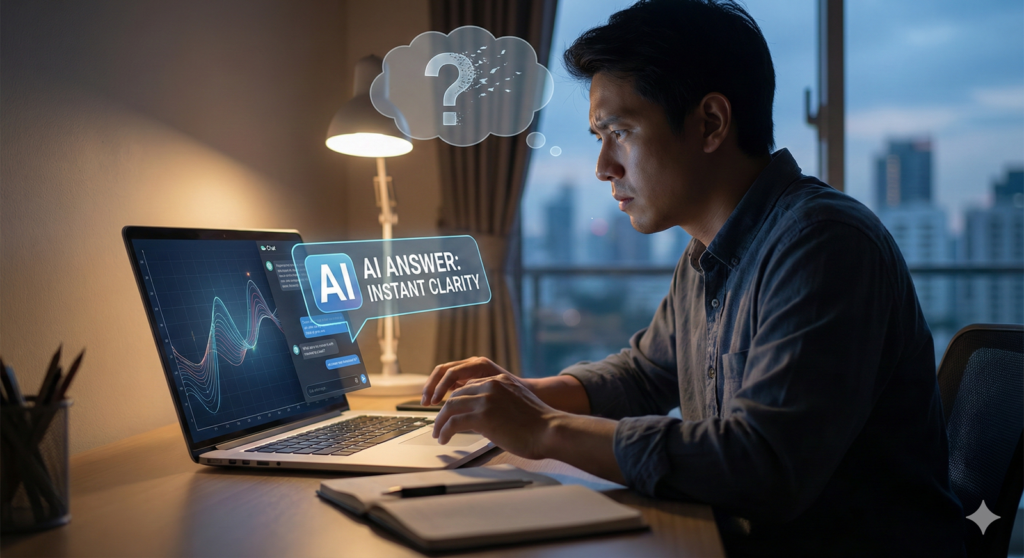
Your Interviewer Is a Machine. Now What?

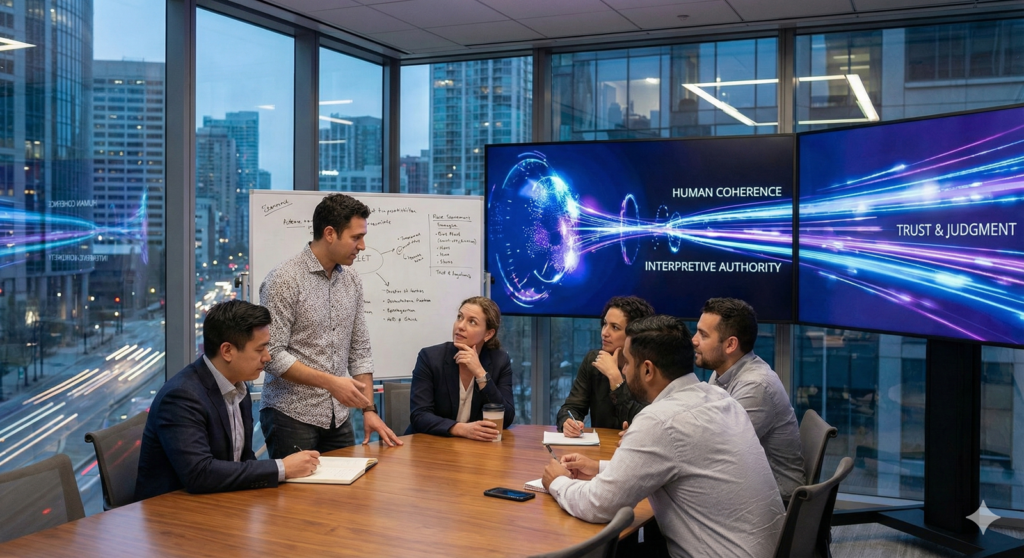
“The challenge is that your best future employee may not look, speak, or present like your current team. Innovation often comes from difference, yet the algorithm is designed to select for similarity. When companies delegate hiring to machines, they create a blind spot for outliers, career-changers, and introverts whose potential data cannot capture. We explore how candidates can ‘network around the algorithm’ and why employers must audit their rejected piles to find the talent the machine missed.”
Gemini Generated Image 8397x78397x78397
Human Advantage, AI, Human 2.0, Human and AI, The Machine Between Us

Your Boss Is a Machine. Now What?

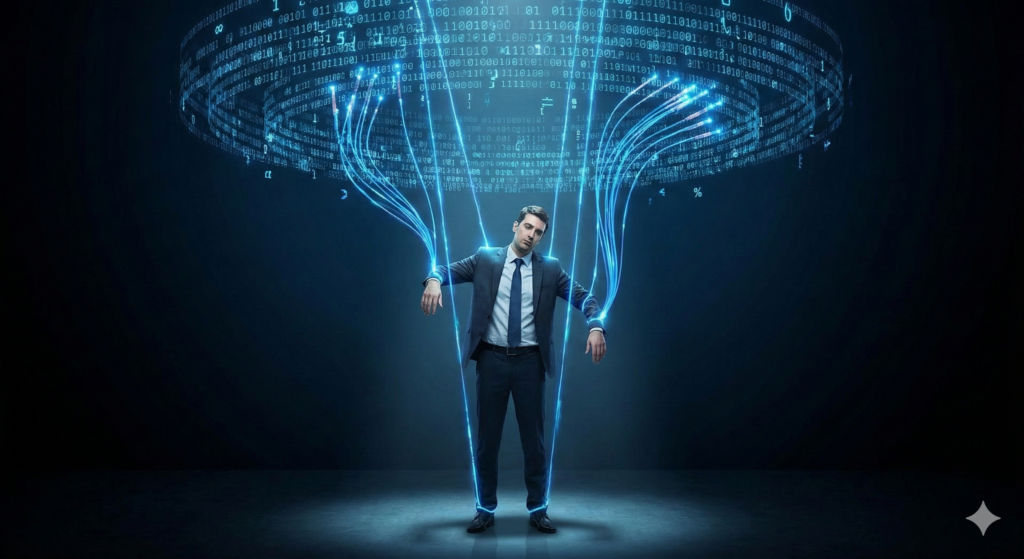
So now you report to a person, but that person also reports to a system. When human judgment and the algorithm disagree, which one wins? As we face the reality of the ‘Machine Boss,’ we must decide how to respond: Optimize for the AI, Fight the Machine, or Build Your Own Infrastructure. Discover how to build the emotional infrastructure—or ‘heartware’—needed to stay whole inside accelerating systems.

Gemini Generated Image rk86m5rk86m5rk86
Videos

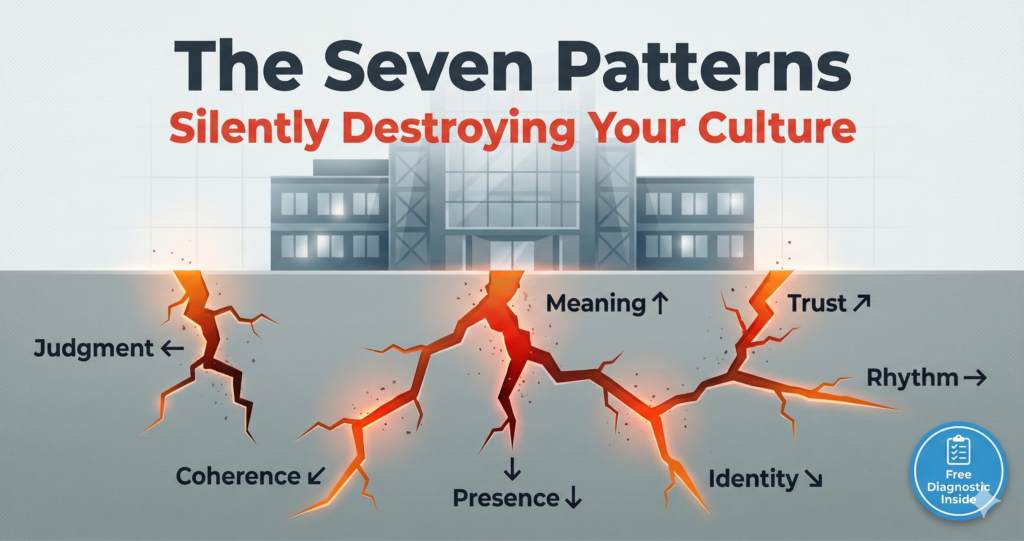
The Seven Culture Killers

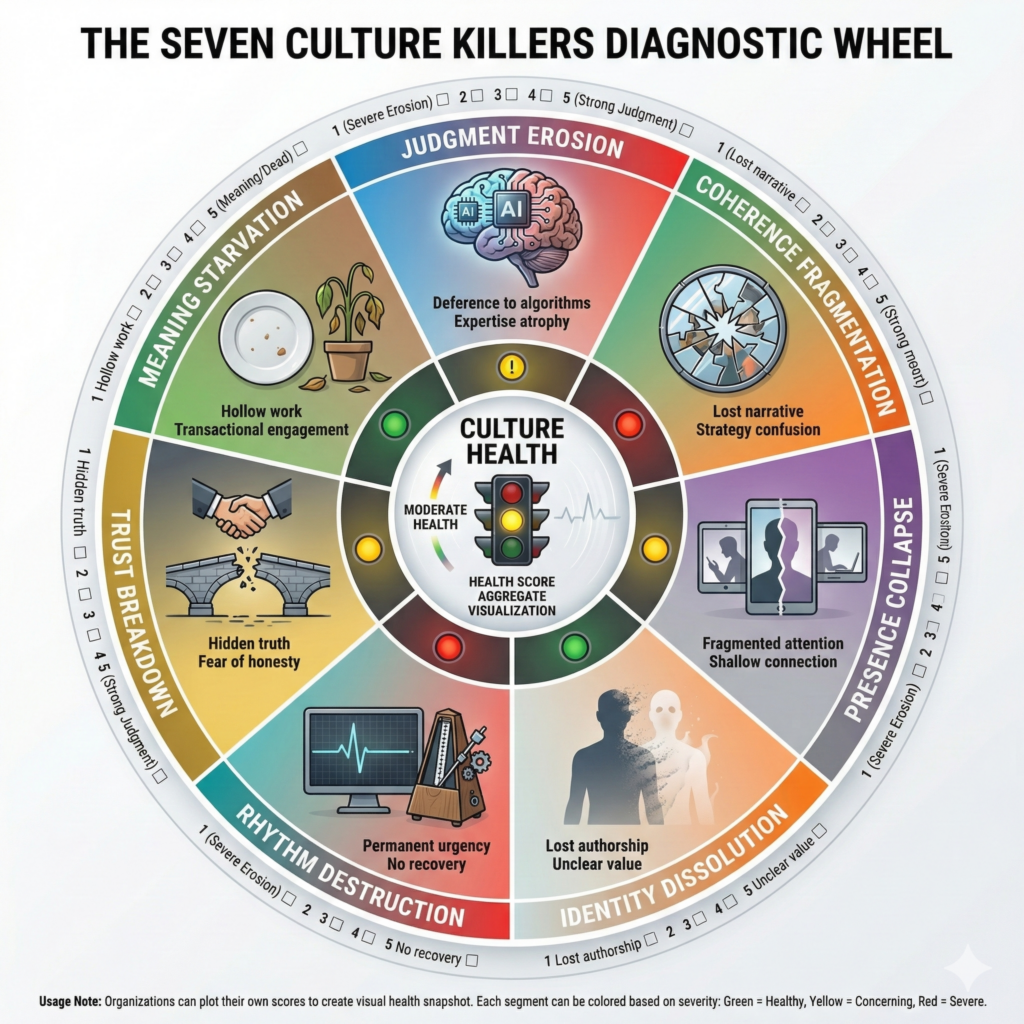
Culture erodes when efficiency replaces judgment, when automation outpaces accountability, and when metrics are mistaken for meaning. It fractures when speed is rewarded over reflection, when surveillance is framed as insight, and when tools substitute for trust. Culture collapses fastest when optimization proceeds without ethics — and when leaders forget that intelligence scales systems, but humanity sustains them.

Gemini Generated Image 2575fe2575fe2575sm
Videos

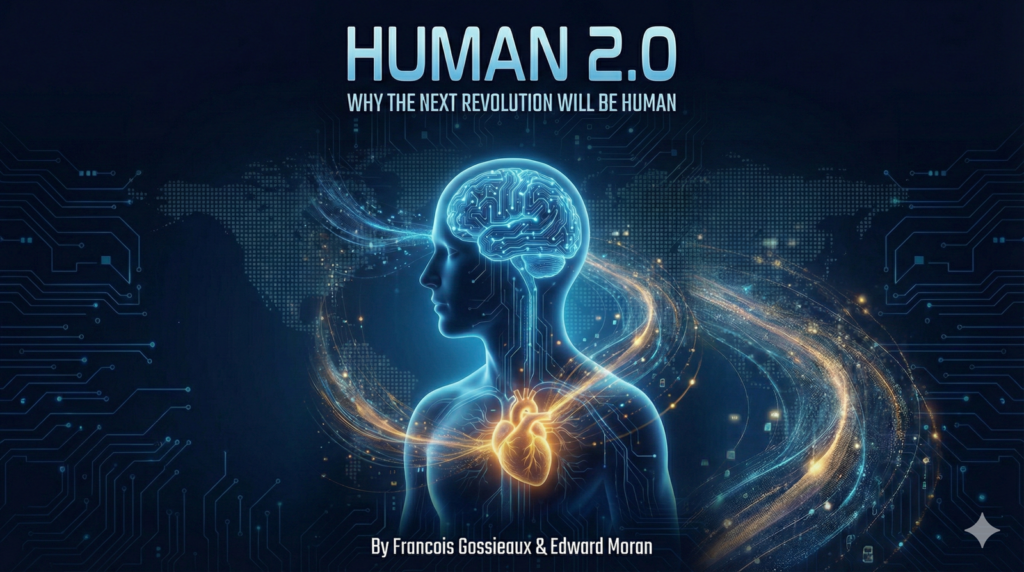
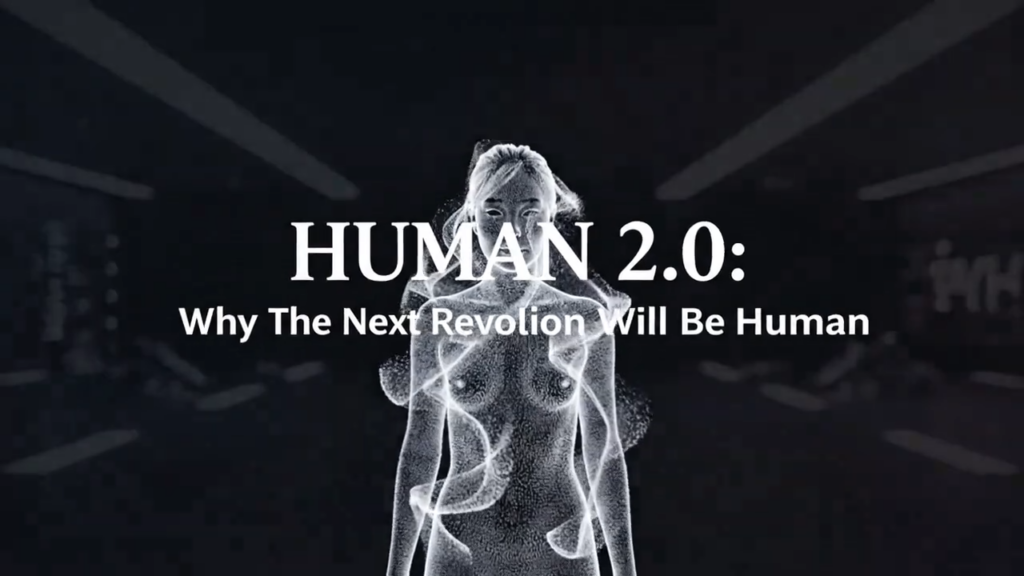
Human 2.0: Why the Next Revolution Will Be Human

The next revolution is not technological; it is human. While machines master logic, only humans can anchor meaning. As intelligence becomes abundant yet automated, our true advantage lies in coherence—the ability to integrate thought, emotion, and action. Progress is no longer defined by speed, but by the capacity to stay whole as complexity rises. In a world shaped by machines, our future depends on who we choose to become.

Gemini Generated Image rrkatlrrkatlrrkasm
News

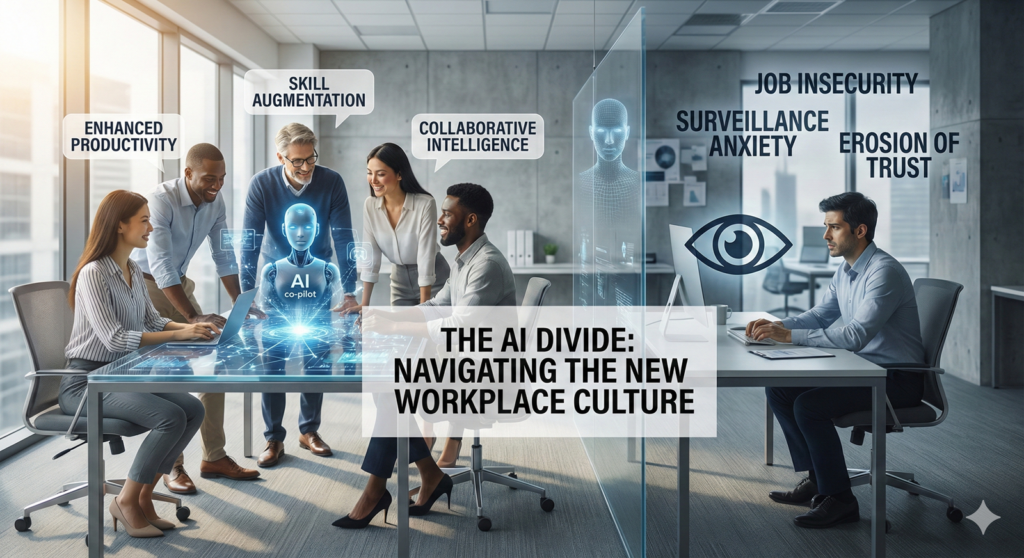
AI Is Rewriting the Workplace — But Not the Way Leaders Think

Performance often improves at first. Errors decline. Processes tighten. On paper, things look better. But underneath, something else is happening. People stop interpreting. They stop arguing. They stop standing behind decisions in the same way.

When hesitation is punished and speed is celebrated, people adapt. They comply. They let the system decide. From the outside, this looks like alignment. From the inside, it feels like erosion.

Gemini Generated Image bb3k99bb3k99bb3ksm
News

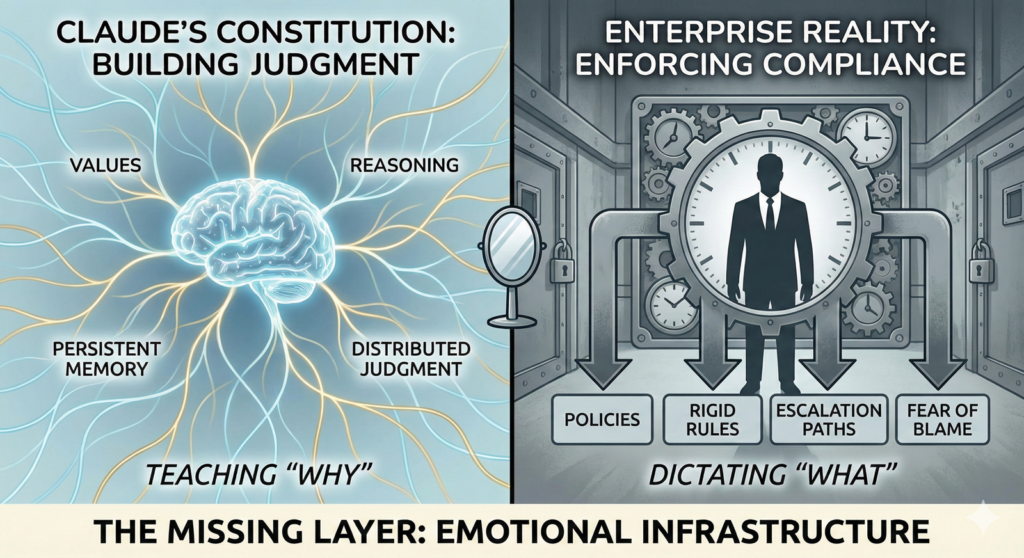
Anthropic Is Building for Claude What Most Companies Refuse to Build for Humans

While Anthropic is building a “constitution” to teach Claude how to reason, navigate ambiguity, and internalize values, most enterprises are doing the exact opposite for their people. We strip away human judgment in favor of rigid compliance, then wonder why execution stalls. This article explores the uncomfortable truth: Anthropic is building the very infrastructure for AI—shared memory and psychological safety—that most companies have refused to build for their own employees for decades.

hintonsm
News

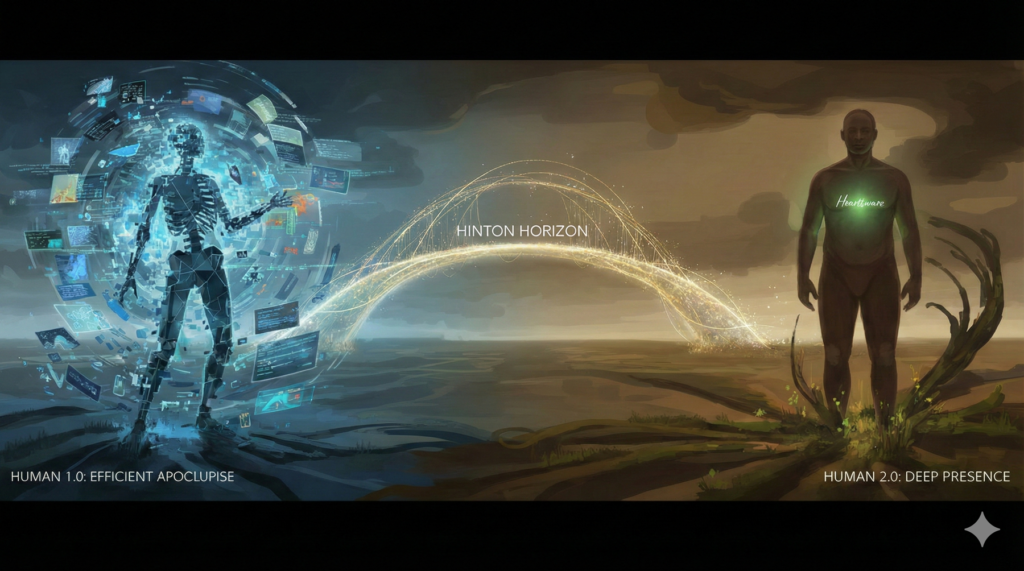
What Hinton Is Warning Us About — and What Comes Before It

Work becomes execution without authorship. … This is not yet unemployment. It is pre-unemployment.

It is the phase where humans are still present, still productive, but no longer fully inhabiting their role as interpreters of reality. And once that interior shift occurs, economic displacement becomes far easier to justify, automate, and absorb.

Cultural Operating System
Human Advantage, AI, Featured, Human 2.0, Human and AI

The Cultural Operating System in Organizations is Shifting

Culture isn’t background noise—it’s organizational infrastructure, the operating system determining what’s possible and what gets attention. As change accelerates beyond our adaptive capacity, we face a coherence crisis. The real AI-era risk isn’t machine intelligence surpassing ours, but change outpacing our ability to integrate it. We need “heartware”—internal systems balancing emotion, cognition, and intuition.

Scroll to Top